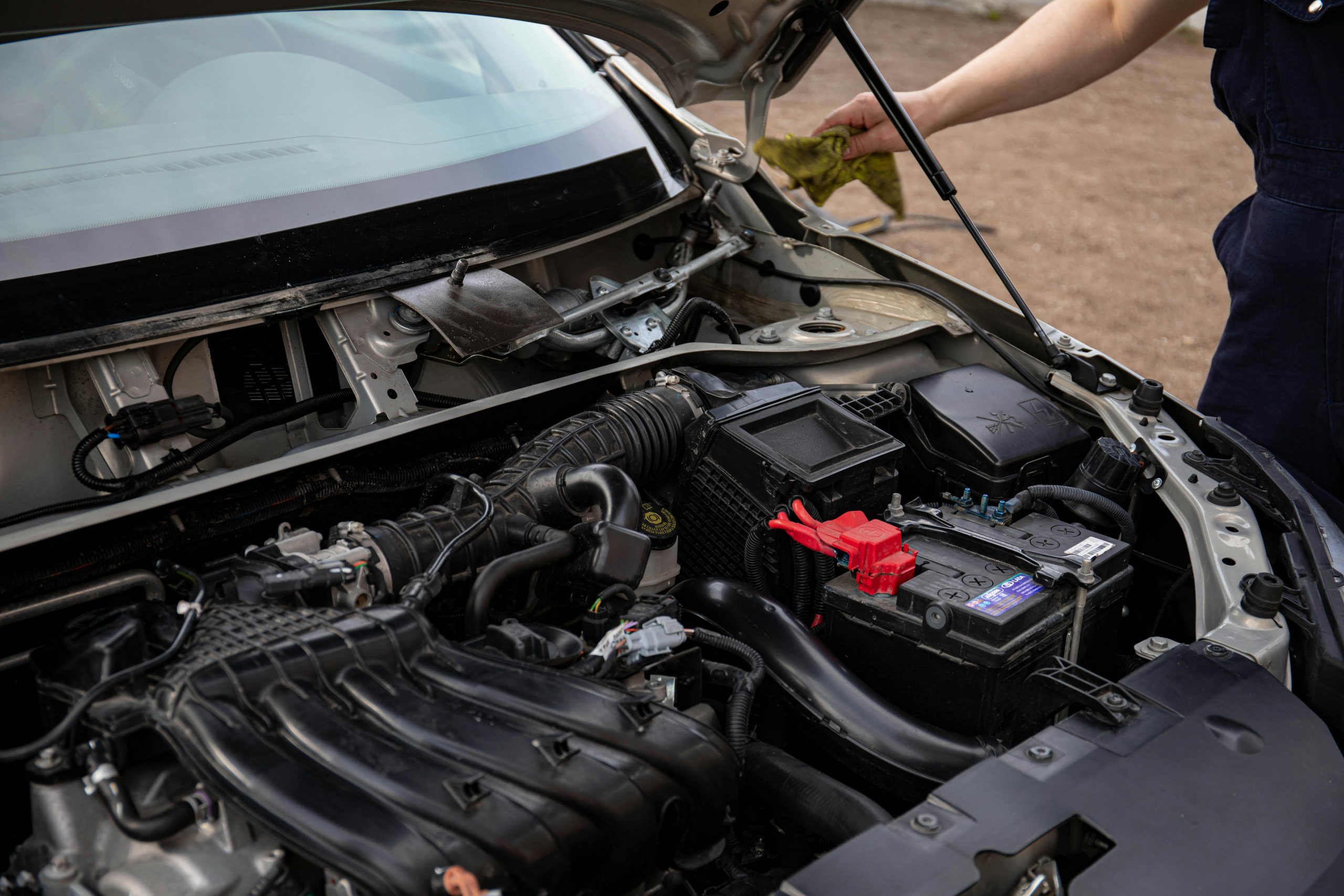
Car batteries are essential for starting your vehicle and powering electrical systems. Over time, batteries lose their ability to hold a charge, leaving you stranded. Knowing how to replace a car battery is a useful skill that saves time, money, and stress. In this guide, we’ll cover everything from recognizing when a battery needs replacement to safely installing a new one.
Signs You Need to Replace Your Car Battery
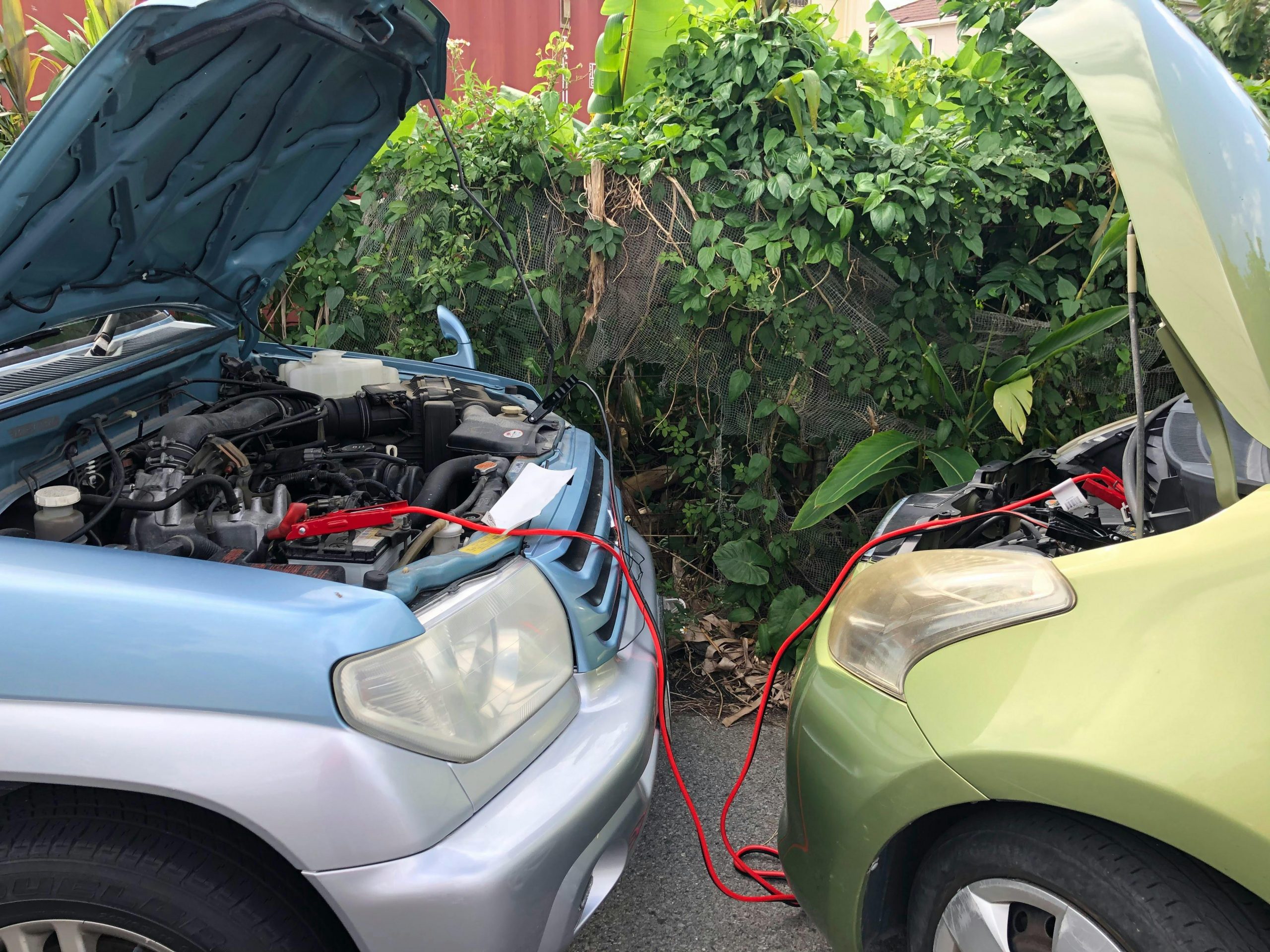
Before replacing a battery, it’s important to confirm that it’s failing:
- Slow Engine Crank: Your car struggles to start or takes longer than usual.
- Dim Lights: Headlights and interior lights appear weaker.
- Battery Age: Most car batteries last 3–5 years.
- Corrosion or Leakage: Visible white or blue residue around battery terminals.
- Warning Lights: Battery or check engine light appears on the dashboard.
Recognizing these signs early prevents unexpected breakdowns and ensures your car stays reliable.
Tools and Materials You’ll Need
To safely replace a car battery, gather the following tools:
- New car battery compatible with your vehicle
- Wrenches or socket set (usually 10mm for terminals)
- Safety gloves and goggles
- Battery cleaning solution or baking soda
- Wire brush or terminal cleaner
- Memory saver (optional) to preserve car settings
Having the right tools makes the process quicker and safer.
Safety Precautions
Working with a car battery involves both electricity and corrosive chemicals, so taking proper safety measures is critical. Batteries contain sulfuric acid, which can cause chemical burns, and even a small spark can lead to injury or damage. Following these precautions will help ensure a safe and smooth battery replacement process:
- Wear Protective Gear: Always put on gloves and eye protection before handling a battery. Acid splashes can damage your skin and eyes, and gloves protect your hands from both chemicals and sharp edges.
- Work in a Well-Ventilated Area: Car batteries release small amounts of hydrogen gas, which is flammable. Performing the replacement in a ventilated space reduces the risk of inhaling fumes or triggering an explosion.
- Avoid Sparks or Open Flames: Keep lighters, cigarettes, and other sources of ignition away from the battery at all times. Even a tiny spark can ignite hydrogen gas emitted by the battery.
- Keep Metal Tools Clear of Terminals: Metal wrenches, screwdrivers, or other tools can create a short circuit if they touch both terminals at the same time. Short circuits can lead to sparks, burns, or damage to the battery and vehicle.
- Disconnect Terminals Properly: Always disconnect the negative (-) terminal first, then the positive (+). This order minimizes the risk of creating an electrical short. When reconnecting, reverse the order—connect the positive (+) first, then the negative (-) terminal.
- Handle the Battery Carefully: Car batteries are heavy, typically 30–50 pounds. Lift with proper posture to avoid back injuries, and avoid tilting the battery to prevent acid spills.
- Inspect for Damage: Before installation, check the battery for cracks, leaks, or swelling. A damaged battery can be hazardous and should not be used.
By adhering to these safety measures, you significantly reduce the risk of injury, damage to your vehicle, or accidental chemical exposure. Taking a few extra minutes to follow these precautions ensures a safe and successful battery replacement process.
Step-by-Step Guide to Replacing Your Car Battery
1. Turn Off Your Car
Make sure the ignition is off, keys are removed, and all electrical systems are shut down.
2. Locate the Battery
Most batteries are under the hood, though some may be in the trunk or under seats depending on your car model.
3. Remove the Battery Hold-Down
Use a wrench to remove any brackets or clamps holding the battery in place. Keep screws or bolts safely aside.
4. Disconnect the Battery Terminals
Always disconnect negative (-) terminal first to reduce the risk of electrical shock. Then disconnect positive (+) terminal.
5. Remove the Old Battery
Lift the battery carefully—batteries are heavy, usually 30–50 pounds. Avoid tilting to prevent acid spills.
6. Clean the Battery Tray and Terminals
Use a wire brush and battery cleaner or a baking soda solution to remove corrosion. This ensures a good connection for the new battery.
7. Install the New Battery
Place the new battery in the tray. Secure it with the hold-down bracket to prevent movement.
8. Reconnect the Terminals
Connect the positive (+) terminal first, then the negative (-) terminal. Tighten securely but avoid over-tightening.
9. Check Connections
Make sure terminals are clean and tight. Loose connections can prevent your car from starting.
10. Test Your Vehicle
Start the engine and check that electronics, lights, and other systems are functioning. Monitor battery warning lights.
Tips for Maintaining Your Car Battery

Proper maintenance of your car battery can extend its lifespan, ensure reliable starts, and prevent unexpected breakdowns. By taking a few simple steps, you can keep your battery in optimal condition:
- Regular Inspection: Check the battery terminals and cables for corrosion, loose connections, or damage at least once a month. Corrosion appears as a white, powdery substance and can interfere with the battery’s ability to deliver power. Tighten any loose connections to ensure a stable electrical flow.
- Keep It Clean: Dirt, dust, and debris can create a conductive path on the battery surface, leading to slow discharge or electrical issues. Wipe the battery casing and terminals with a clean cloth, and use a mixture of baking soda and water to neutralize minor corrosion.
- Avoid Short Trips: Frequent short drives prevent the alternator from fully recharging the battery. If possible, take longer drives occasionally to ensure the battery reaches a full charge, especially if you mostly use your car for errands around town.
- Turn Off Accessories: Always make sure lights, radio, air conditioning, or other electrical devices are off when the engine is not running. Leaving these on can drain the battery, especially in older vehicles.
- Check Voltage Regularly: Use a multimeter to measure the battery voltage periodically. A fully charged battery should read around 12.6 volts when the car is off. If the voltage consistently drops below 12.4 volts, it may be a sign that the battery is weakening and needs attention.
- Monitor for Warning Signs: Slow engine cranking, dimming lights, or warning lights on the dashboard are early signs of battery problems. Addressing these issues promptly can prevent a complete battery failure.
By following these maintenance tips, you can avoid premature battery failure, improve your car’s reliability, and save money on unexpected replacements. Regular care ensures that your vehicle starts smoothly every time and supports the longevity of your electrical system.
Common Mistakes to Avoid When Replacing a Car Battery
Even small mistakes can cause damage:
- Forgetting to turn off the engine or electrical systems
- Removing the positive terminal first
- Over-tightening terminals, which can damage the battery posts
- Not cleaning corrosion, which reduces electrical contact
- Not disposing of the old battery properly
Avoiding these mistakes ensures safety and long-term battery performance.
Disposing of Your Old Battery
Car batteries contain lead and acid, which are hazardous. Never throw them in the trash. Options include:
- Returning to an auto parts store for recycling
- Taking to a certified battery disposal center
- Using services that offer battery take-back programs
Proper disposal protects the environment and may even provide a small refund.
When to Seek Professional Help
Some car models have batteries located in hard-to-access areas or require special equipment to disconnect safely. Consider professional help if:
- You have an electric or hybrid vehicle
- The battery is inside a sealed compartment
- You notice severe corrosion or damage
- You’re uncomfortable handling heavy batteries
A certified mechanic can safely replace the battery and test your electrical system.
Benefits of Knowing How to Replace a Car Battery
Understanding how to replace your battery has several advantages:
- Saves money on labor fees
- Reduces downtime when your battery dies
- Builds confidence in basic car maintenance
- Prevents getting stranded unexpectedly
- Helps in emergencies when professional help isn’t available
Even if you occasionally take your car to a mechanic, knowing the process is empowering.
Conclusion
Replacing a car battery doesn’t have to be complicated or intimidating. With the right tools, safety precautions, and step-by-step guidance, anyone can handle this essential car maintenance task. Recognizing battery issues early, keeping terminals clean, and properly installing a new battery ensures your vehicle starts reliably and your electronics function correctly.
By following this guide, you’ll not only save money but also gain confidence in your ability to handle basic automotive repairs. Regular inspection and maintenance of your car battery is a simple yet powerful way to keep your vehicle in top condition.