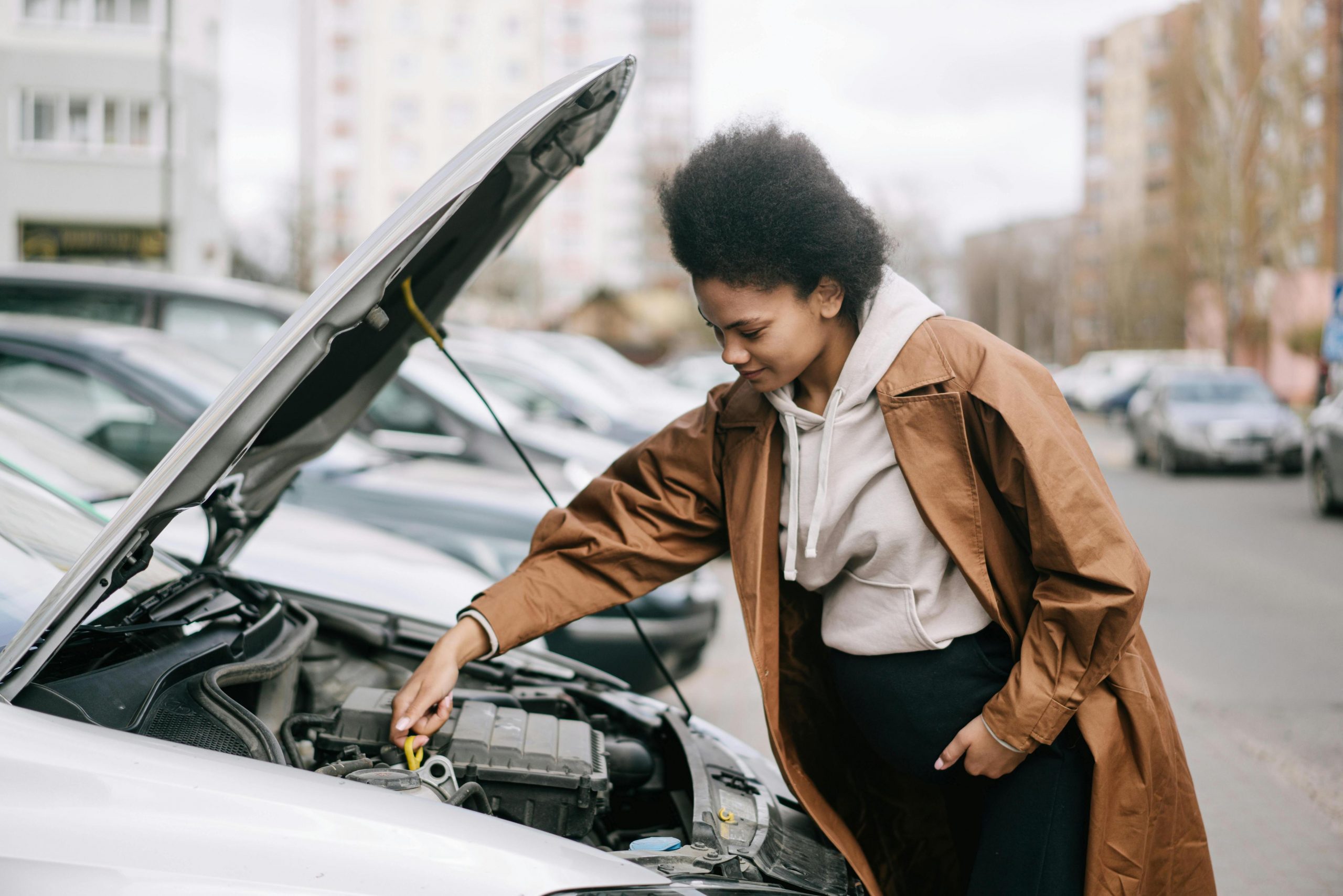
A car battery is essential for starting your vehicle and powering electrical systems. Despite being relatively low-maintenance, batteries can develop problems over time. Understanding these issues helps prevent breakdowns, extend battery life, and save money. In this article, we’ll cover common car battery problems, how to identify them, and what steps you can take to fix or prevent them.
Common Car Battery Problems
Car batteries can fail for several reasons. Recognizing the signs early can prevent inconvenient or costly situations. The most common problems include:
1. Dead or Weak Battery
A battery may die if it’s old, poorly maintained, or exposed to extreme temperatures. Symptoms include:
- Engine cranks slowly or fails to start
- Dashboard lights dim or flicker
- Electrical accessories (radio, lights) operate poorly
2. Corroded Battery Terminals
Corrosion is a buildup of white, powdery material on the battery terminals. It can prevent electricity from flowing properly, leading to starting issues. Causes include:
- Chemical reaction between battery acid and metal
- Leakage from the battery
Cleaning terminals regularly can help maintain performance.
3. Faulty Alternator
The alternator charges the battery while driving. If it fails:
- The battery loses charge quickly
- Electrical systems may malfunction
- Warning lights appear on the dashboard
4. Old or Expired Battery
Most car batteries last 3–5 years. Age reduces the battery’s ability to hold a charge. A slow-starting engine or dim lights often indicates an aging battery.
5. Parasitic Drain
Electrical components like alarm systems or interior lights can continue to draw power even when the car is off. A parasitic drain slowly discharges the battery, causing unexpected failures.
6. Extreme Temperatures
Both heat and cold affect battery performance:
- Cold weather slows chemical reactions, reducing starting power
- Hot weather can evaporate battery fluid, damaging internal plates
Signs of Car Battery Problems
Recognizing the warning signs of a failing car battery can save you from being stranded and help prevent costly repairs. Here are some key indicators to watch for:
1. Slow Engine Crank
If your engine turns over slowly or struggles to start, it often means the battery isn’t providing enough power. This can be a result of a weak charge, old age, or internal battery damage. Pay attention if your vehicle takes longer than usual to start, especially in cold weather.
2. Swollen or Deformed Battery Case
Extreme heat can cause the battery casing to swell or warp. A swollen battery is dangerous and indicates internal damage, which may lead to leakage or even rupture. If you notice a distorted case, it’s time for immediate replacement.
3. Check Engine or Battery Warning Light
Modern cars are equipped with dashboard warning lights. If the battery or check engine light comes on, it signals potential electrical problems, including a weak battery or failing alternator. Ignoring these warnings can result in complete battery failure.
4. Corrosion on Terminals
Corrosion appears as a white, blue, or green powdery substance on the battery terminals. It prevents proper electrical contact and can cause starting issues or intermittent power failures. Regularly cleaning the terminals can prevent this problem, but severe corrosion may require professional attention.
5. Electrical Issues and Malfunctioning Accessories
A failing battery can lead to unusual behavior in your car’s electrical systems. Lights may flicker, the radio may cut in and out, or dashboard displays may behave erratically. These symptoms indicate inconsistent power supply from the battery and should not be ignored.
6. Strange Smells or Leaks
A leaking battery may emit a sulfur-like smell, similar to rotten eggs. Leaks can damage nearby components and are a sign that the battery is failing. Handle leaks with caution and replace the battery promptly.
7. Frequent Jump-Starts Needed
If you often need to jump-start your car, it’s a clear sign that the battery can no longer hold a sufficient charge. This could indicate old age, internal failure, or charging system issues.
Recognizing these signs early allows you to take action before a complete battery failure leaves you stranded. Routine inspections, maintenance, and timely replacement can save time, money, and stress.
Preventive Maintenance Tips
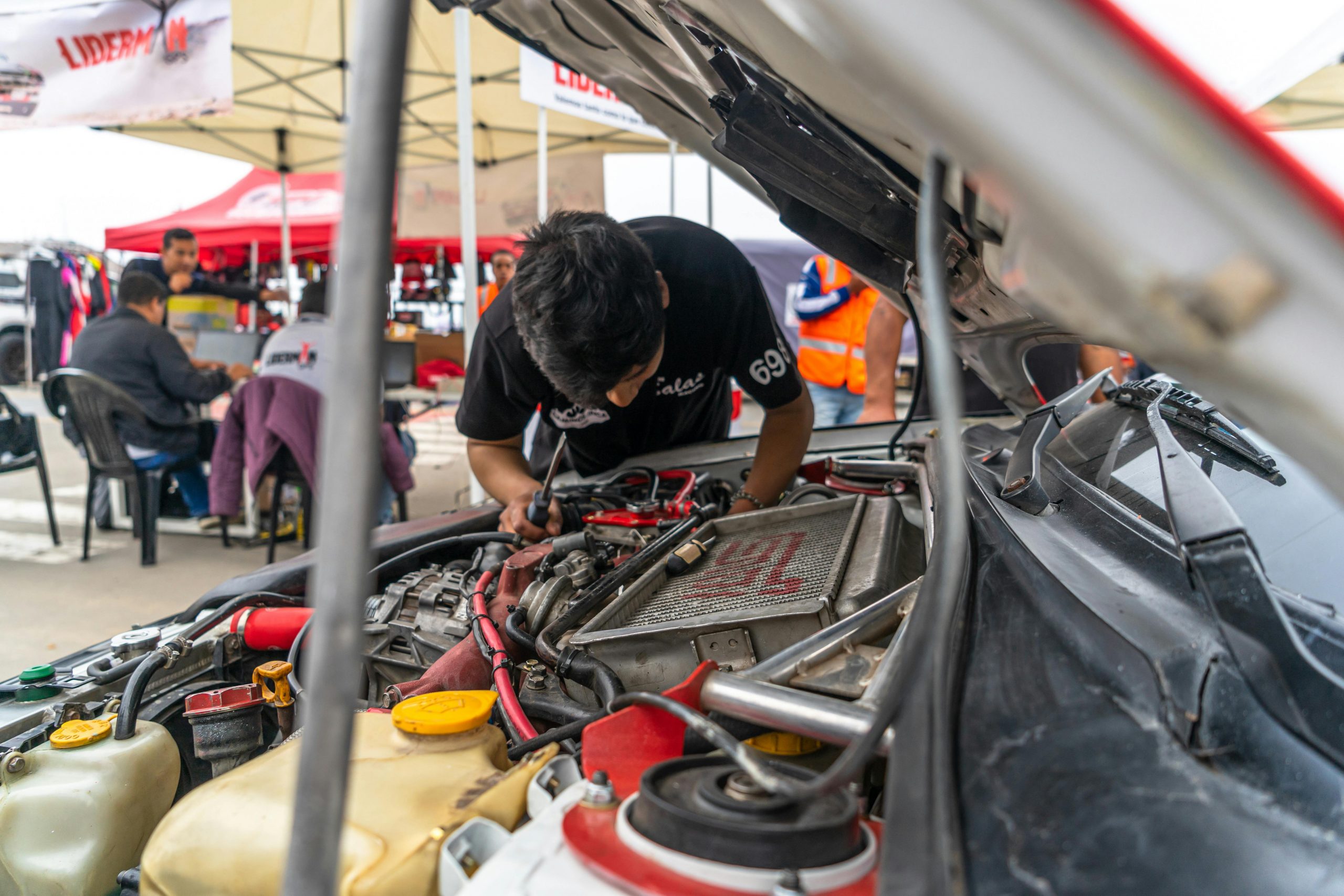
Maintaining your car battery helps extend its life and reduce the risk of sudden failure.
- Regular Inspection
Check for corrosion, leaks, and loose connections monthly. Tighten terminals as needed and clean with a baking soda and water solution if corrosion is present.
- Keep the Battery Clean
Dirt and debris on the battery can create a pathway for electrical discharge. Wipe it down and keep it dry.
- Avoid Short Drives
Frequent short trips prevent the alternator from fully charging the battery. Longer drives occasionally help keep the battery at full charge.
- Turn Off Accessories
Ensure lights, radio, and other electrical components are off when the engine isn’t running to avoid unnecessary drain.
- Check Voltage
Use a multimeter to check the battery voltage periodically. A fully charged battery reads around 12.6 volts.
- Professional Checkups
During regular vehicle maintenance, ask your mechanic to test the battery and alternator for potential issues.
Solutions for Common Battery Problems
- Jump Starting a Dead Battery
If your battery dies unexpectedly, use jumper cables with another car or a portable jump starter. Follow proper safety steps to avoid sparks or injuries.
- Cleaning Corroded Terminals
- Wear gloves and eye protection
- Disconnect the negative terminal first, then positive
- Clean terminals with a baking soda solution and a brush
- Reconnect in reverse order: positive first, then negative
- Battery Replacement
If the battery is old or irreparably damaged, replacement is necessary. Knowing how to replace a car battery properly ensures safe installation. Steps include:
- Disconnecting terminals in the correct order
- Removing the old battery
- Installing the new battery and reconnecting terminals safely
- Fixing Parasitic Drains
Identify and disconnect devices causing drain. A mechanic can help locate hidden electrical issues causing battery discharge.
- Alternator Repair
A failing alternator requires professional inspection and replacement. This ensures the battery charges correctly and avoids repeated failures.
Choosing the Right Replacement Battery
Selecting the correct car battery is essential for reliable performance and longevity. Choosing the wrong type can lead to starting problems, shorter lifespan, or even damage to your vehicle’s electrical system. Here are key factors to consider when picking a replacement battery:
- Battery Size and Type
Your vehicle’s manufacturer specifies the appropriate battery size and type. This ensures proper fit in the battery tray and correct terminal placement. Using the wrong size can cause installation issues, loose connections, or even short circuits. Always consult your owner’s manual or ask a professional before purchasing.
- Cold Cranking Amps (CCA)
Cold Cranking Amps indicate the battery’s ability to start your engine in cold temperatures. Higher CCA ratings are crucial in regions with harsh winters, as they ensure reliable starting when the engine is cold. Check your vehicle’s recommended CCA rating and match or exceed it for optimal performance.
- Reserve Capacity (RC)
Reserve Capacity measures how long the battery can power essential electrical systems if the alternator fails. A higher RC means more time for you to safely drive or reach a repair facility in case of charging system failure. This is particularly important for vehicles with numerous electronic accessories, like infotainment systems or heated seats.
- Warranty and Brand Reliability
A longer warranty often reflects better manufacturing quality and durability. Popular, reputable battery brands tend to offer better warranties, which can save money and provide peace of mind. Check both the warranty duration and coverage conditions, such as free replacement or prorated terms.
- Maintenance Requirements
Some batteries are maintenance-free, while others require periodic water refilling and terminal cleaning. Consider your willingness to perform routine maintenance when choosing a battery. Maintenance-free options are ideal for convenience, while traditional batteries may offer lower upfront costs.
- Purchase Location and Installation
Buying from trusted auto parts stores or dealerships ensures you receive a genuine battery with the correct specifications. Many stores also provide free installation and recycling of your old battery, simplifying the process and ensuring proper disposal.
By carefully considering these factors, you can select a battery that provides reliable starts, long life, and peace of mind. Taking the time to choose the right replacement prevents premature failure and ensures your vehicle stays dependable under all conditions.
When to Seek Professional Help
While some issues like cleaning corrosion or jump-starting can be done at home, professional help is essential for:
- Persistent starting problems
- Repeated battery failures
- Alternator or electrical system issues
- Battery swelling or leaking
Consulting a professional ensures safety and prevents damage to your car’s electrical system.
Conclusion
Car battery problems are common but manageable with proper care, inspection, and timely action. From slow cranks to corroded terminals, understanding the signs and solutions helps you maintain reliable vehicle performance. Routine maintenance, occasional voltage checks, and professional inspections reduce the likelihood of battery-related breakdowns. If a battery is beyond repair, knowing how to replace a car battery correctly ensures safe installation and long-lasting results.