Owning a vehicle is a long-term investment, and like any investment, it requires regular care to maintain its value and performance. Preventive maintenance is the key to avoiding unexpected breakdowns, extending the life of your car, and ensuring your safety on the road. While many vehicle owners focus primarily on reactive repairs, proactive care can save both time and money while enhancing the reliability of your vehicle.
This guide provides a comprehensive overview of actionable steps every car owner should take to maximize their vehicle’s lifespan. From mechanical inspections to cosmetic care, these strategies cover all essential aspects of maintenance. Following these recommendations will help you avoid costly repairs, maintain resale value, and enjoy a safer driving experience.
1. Develop a Routine Maintenance Schedule
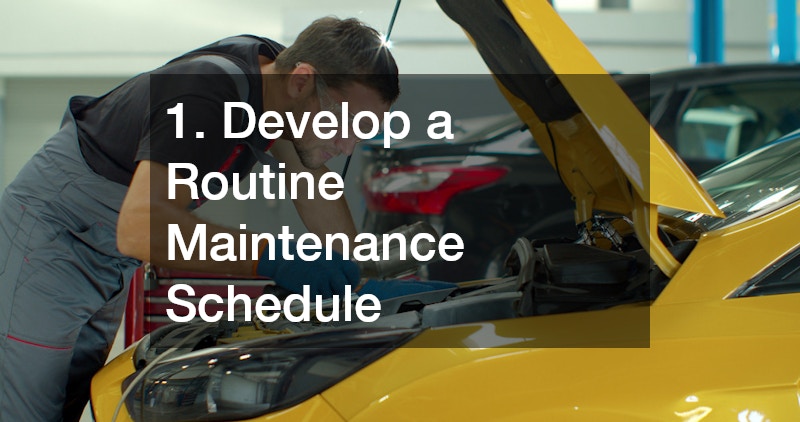
Creating and following a regular maintenance schedule is one of the most effective ways to keep your car in top condition. Routine checkups allow issues to be identified early, preventing them from escalating into major repairs. Auto tuneups are particularly important for monitoring engine performance, fuel efficiency, and emission control systems.
Key steps for developing a schedule:
- Consult your vehicle’s manual to identify recommended service intervals
- Schedule routine visits with experienced car mechanics for inspections
- Include oil changes, tire rotations, and fluid checks at regular intervals
- Use a digital or paper calendar to track service dates and upcoming maintenance tasks
A well-organized maintenance schedule ensures that all critical systems receive attention at the appropriate time, helping your vehicle perform reliably year-round.
2. Inspect and Replace Critical Components on Time
Every vehicle relies on critical components such as brakes, belts, filters, and tires to operate safely. Over time, these parts can wear down, posing a risk to both performance and safety. Timely inspection and replacement are crucial.
Best practices:
- Regularly check brake pads, belts, hoses, and air filters
- Replace worn or damaged parts promptly using high-quality auto parts
- Schedule periodic maintenance with trusted auto repair services to ensure proper installation
- Keep a log of component replacements to anticipate future needs
Early intervention prevents small issues from escalating, reducing the likelihood of costly breakdowns and improving overall vehicle reliability.
3. Keep Your Engine and Transmission in Optimal Condition
The engine and transmission are the heart of your vehicle. Proper care ensures longevity, consistent performance, and fuel efficiency. This is particularly important for foreign vehicles, which may require specialized knowledge and parts.
Engine and transmission care tips:
- Schedule diagnostic tests with skilled car mechanics to detect potential issues early
- Regularly change engine oil, coolant, and transmission fluid according to manufacturer recommendations
- For foreign vehicles, consider specialized foreign auto repair centers familiar with unique parts and service procedures
- Monitor for unusual noises, vibrations, or changes in shifting patterns
Maintaining these systems proactively prevents major mechanical failures and extends the life of your vehicle’s most critical components.
4. Maintain the Vehicle Exterior to Prevent Long-Term Damage
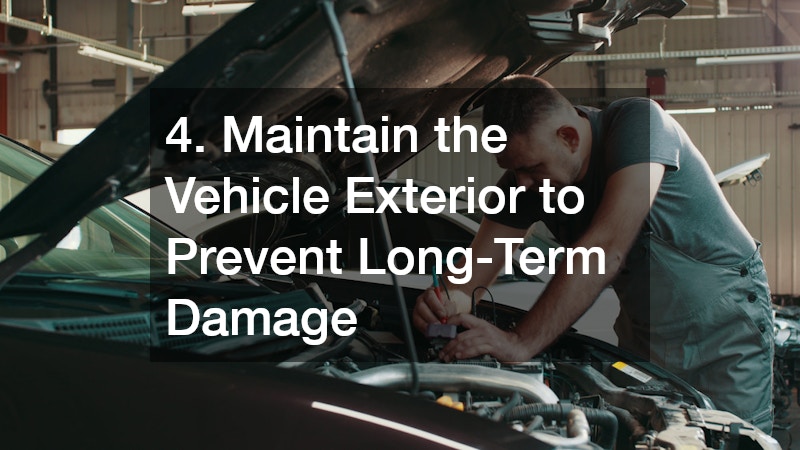
A vehicle’s exterior protects internal components and contributes to its overall value. Regular care prevents corrosion, paint fading, and minor damages from escalating.
Exterior maintenance tips:
- Wash and wax the vehicle regularly to protect the paint and finish
- Use professional auto detailing companies for deep cleaning and protective coatings
- Repair minor dents, scratches, or rust spots promptly at a local auto body center
- Inspect seals around doors, windows, and trim to prevent water intrusion
Proper exterior care preserves the vehicle’s aesthetics while preventing long-term damage that can affect structural integrity and resale value.
5. Care for the Interior to Preserve Comfort and Value
The interior of your vehicle contributes significantly to comfort, safety, and long-term value. Regular care prevents wear, stains, and unpleasant odors from developing over time.
Interior maintenance tips:
- Clean and condition leather, vinyl, and fabric surfaces using appropriate products
- Vacuum carpets, mats, and hard-to-reach areas to prevent dust accumulation
- Address spills and stains promptly to avoid permanent damage
- Consider professional services from auto detailing companies for deep cleaning
- Protect automobile upholstery from UV damage and cracking by using sunshades and conditioners
Maintaining a clean and well-cared-for interior enhances driving comfort and ensures the vehicle retains its value.
6. Monitor and Maintain Brake and Suspension Systems
Brakes and suspension systems are among the most critical components of a vehicle, directly impacting safety, handling, and ride comfort. The braking system allows you to stop efficiently under normal and emergency conditions, while the suspension system maintains stability, absorbs shocks, and keeps tires in proper contact with the road. When these systems are neglected, worn or damaged components can lead to compromised handling, increased stopping distances, uneven tire wear, and even accidents. Furthermore, issues in one area, such as worn shocks, can accelerate wear on other parts, including brakes, tires, and steering components.
Brake and suspension maintenance tips:
- Regular inspections: Frequently check brake pads, rotors, shocks, struts, and associated hardware for signs of wear or damage.
- Preventive maintenance: Schedule routine maintenance and necessary replacements through trusted auto repair services to ensure optimal performance.
- Professional evaluations: Have experienced car mechanics inspect alignment and suspension components, as they can identify subtle issues that may not be visible during a casual check.
7. Protect Your Vehicle Against Accidents and Collisions

Even the most cautious drivers are not immune to accidents. Even minor collisions can compromise a vehicle’s structural integrity, safety systems, and long-term reliability. Ignoring damage, no matter how small it seems, can lead to hidden problems such as frame misalignment, corrosion, or mechanical issues that worsen over time. Prompt and professional attention following a collision is essential to restore your vehicle to its pre-accident condition and maintain both safety and performance.
Collision management tips:
- Assess damage immediately: After any accident, carefully inspect your vehicle for visible damage. Avoid driving if there are signs of structural compromise, leaking fluids, or impaired steering or braking, as this can worsen damage and pose safety risks.
- Use a reputable local auto body center: Selecting an experienced local auto body center ensures that repairs are performed correctly, using high-quality materials and following manufacturer specifications. Trusted professionals can also check for hidden damage that may not be apparent at first glance.
- Schedule auto collision repairs promptly: Delaying repairs increases the risk of rust, misaligned components, and other mechanical issues. Timely auto collision repairs prevent minor damage from escalating into costly structural problems and help maintain your vehicle’s resale value.
- Work with insurance companies: Ensure proper coverage for repairs by coordinating with your insurance provider. Keep detailed documentation of the accident, repair estimates, and invoices to streamline claims and avoid disputes.
Professional and timely collision repair preserves the safety, performance, and appearance of your vehicle. By addressing damage quickly and working with qualified specialists, you protect your investment, reduce long-term repair costs, and maintain confidence in your vehicle’s reliability on the road.
8. Keep Your Vehicle Fluids and Filters in Check
Fluids and filters are the lifeblood of a vehicle, directly influencing its performance, efficiency, and longevity. Engine oil lubricates moving parts to reduce friction and wear, coolant regulates engine temperature to prevent overheating, brake fluid ensures responsive braking, and transmission fluid allows smooth gear shifts. Neglecting these essential fluids can lead to severe mechanical problems, including engine damage, transmission failure, or brake system malfunctions. Similarly, clean and functioning filters are crucial for keeping contaminants out of your engine, cabin, and fuel system. Clogged or dirty filters can decrease fuel efficiency, reduce power, and place unnecessary strain on critical components.
Maintenance guidelines:
- Replace engine oil, coolant, brake fluid, and transmission fluid according to the vehicle manufacturer’s recommended intervals. This helps prevent degradation and ensures each system operates at peak efficiency.
- Check and replace air, fuel, and cabin filters regularly to maintain optimal engine performance and interior air quality. Dirty filters can restrict airflow, reduce fuel economy, and compromise engine efficiency.
- Schedule comprehensive inspections and replacements during routine auto tuneups. Mechanics can identify issues such as leaks, fluid contamination, or partially clogged filters before they become major problems.
- Visit trusted auto repair shops for professional fluid flushes and filter changes, ensuring that old fluids are removed completely and replaced with high-quality, manufacturer-approved alternatives.
Maintaining fluids and filters consistently not only ensures smooth operation but also protects vital engine and transmission components from excessive wear. Proper care reduces the risk of costly repairs, enhances fuel efficiency, and extends the overall lifespan of your vehicle. Regular attention to these systems is one of the simplest yet most impactful steps in preventive vehicle maintenance.
9. Maintain Tires and Wheel Alignment for Safety and Efficiency
Proper tire care and alignment are critical for maintaining a vehicle’s safety, performance, and efficiency. Tires are the only contact points between your car and the road, so their condition directly affects handling, braking, and overall control. Neglecting tire maintenance can lead to uneven tread wear, decreased traction, longer stopping distances, and even blowouts, all of which increase the risk of accidents. Misalignment, meanwhile, can cause the vehicle to pull to one side, reduce steering precision, and place additional stress on suspension components, leading to costly repairs down the line. Additionally, poorly maintained tires and misaligned wheels can negatively impact fuel efficiency, causing your vehicle to consume more gas than necessary.
Tire and alignment tips:
- Regularly check tire pressure using a reliable gauge, and ensure it matches the manufacturer’s recommendations. Incorrect pressure can cause uneven wear and reduce fuel efficiency.
- Examine tread depth and look for visible signs of damage, such as cracks, bulges, or embedded objects. Worn tires compromise grip, especially in wet or slippery conditions.
- Rotate tires according to your vehicle’s recommended schedule, usually every 5,000 to 8,000 miles, to promote even wear and extend tire life.
- Replace worn or damaged tires with quality auto parts to maintain optimal safety and performance.
- Schedule professional alignment and balancing through reputable auto repair services to ensure wheels are properly aligned and spins are balanced, reducing wear on tires and suspension components.
By giving tires and alignment the attention they require, drivers can enjoy smoother handling, better fuel economy, and a safer driving experience, while also preventing avoidable expenses related to premature tire or suspension failures. Regular tire care is a simple yet highly effective way to protect both your vehicle and your investment.
10. Track Maintenance Records and Plan for Long-Term Care
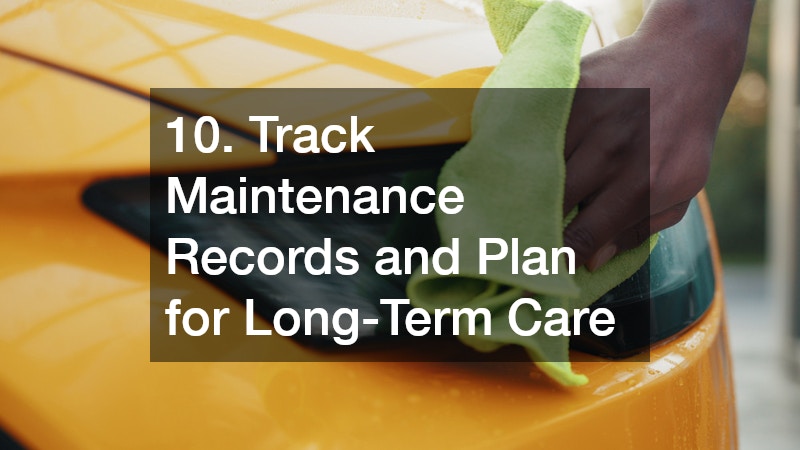
Keeping detailed and accurate maintenance records is one of the most effective ways to ensure your vehicle remains in optimal condition over the long term. These records act as a roadmap for preventive care, helping you monitor patterns of wear and anticipate future needs. For foreign vehicles, in particular, maintaining thorough documentation is essential because they often have unique maintenance requirements, specialized parts, and service intervals that differ from domestic models. Without proper tracking, it is easy to miss critical inspections or replacements, which can lead to costly repairs or reduced performance.
Record-keeping and planning tips:
- Maintain a comprehensive log of all services, repairs, and parts replacements, including dates, mileage, and service provider information. This creates a clear history of your vehicle’s care.
- Schedule regular inspections with trusted auto repair shops as well as foreign auto repair specialists to ensure that any model-specific needs are addressed promptly.
- Use your records to anticipate upcoming preventive maintenance tasks, such as fluid changes, filter replacements, or component inspections, which helps avoid accidental oversights.
- Track warranties, recall notices, and manufacturer-recommended service intervals for all parts and systems, allowing you to plan maintenance proactively rather than reactively.
- Include notes on cosmetic repairs, detailing, and collision repairs so you have a full view of your vehicle’s condition, both mechanically and aesthetically.
Consistent record-keeping not only supports proactive maintenance but also increases your vehicle’s resale value. A well-documented service history demonstrates to potential buyers or insurance companies that the vehicle was cared for properly. Moreover, it helps you make informed decisions about when to schedule major repairs or replacements, ensuring your vehicle remains reliable, safe, and efficient for years to come.
Maximizing the lifespan of your vehicle requires more than occasional attention—it demands a consistent, structured approach to preventive maintenance. By following a comprehensive care routine that includes mechanical inspections, cosmetic upkeep, and record-keeping, drivers can avoid unexpected breakdowns, reduce repair costs, and maintain safety on the road. Attention to both major systems and minor details ensures that your vehicle performs optimally for years, retaining value and providing peace of mind. Preventive maintenance is the most reliable way to protect your investment and enjoy a dependable, safe driving experience throughout your vehicle’s life.