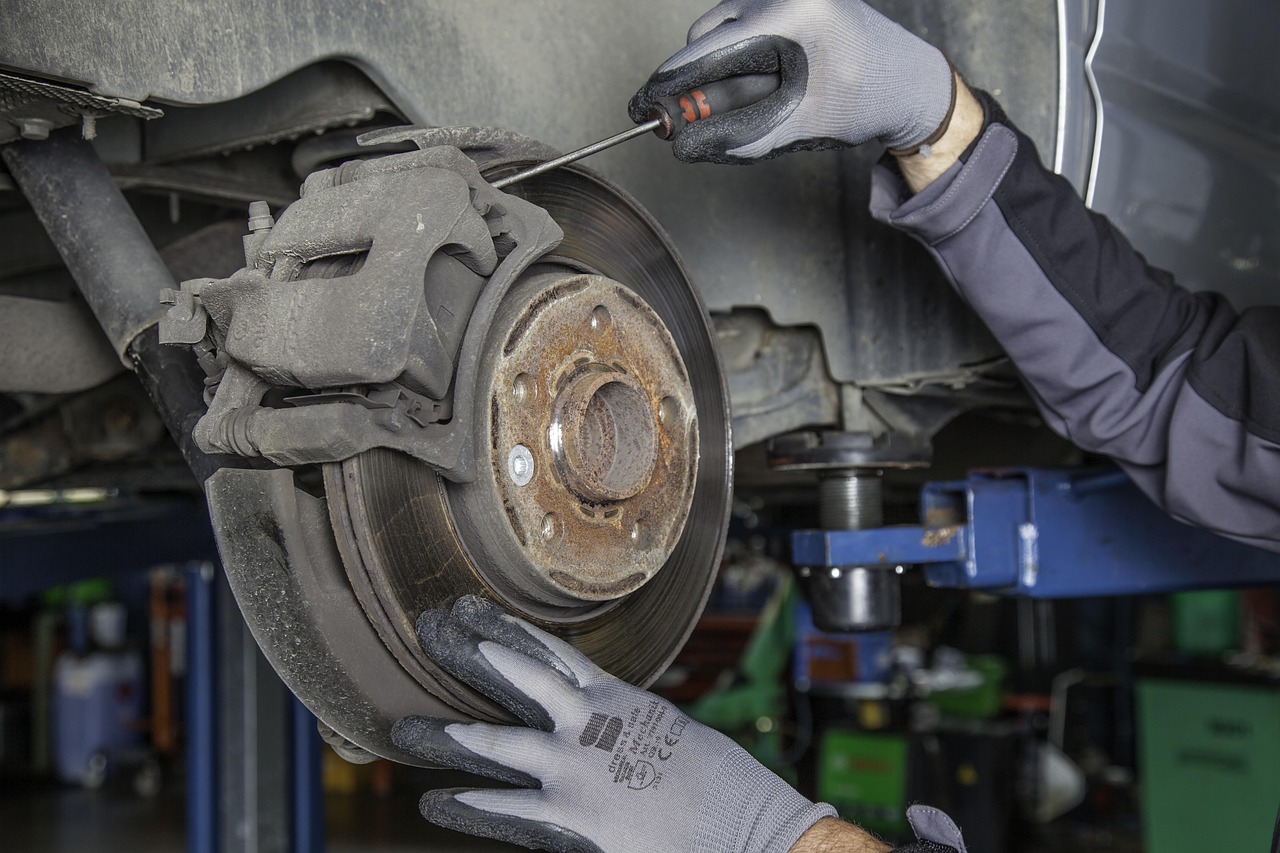
- The Vibration Indicator: A pulsating brake pedal remains the most consistent and measurable indicator of warped brake rotor symptoms caused by Disc Thickness Variation (DTV).
- Visual Cues: Blue heat spots, circular scoring, rust ridges, and surface cracking define what bad rotors look like during inspection.
- Safety Impact: Worn or warped rotors reduce braking efficiency and can interfere with ABS, traction control, and 2026 ADAS braking calibration.
- Diagnostic Distinction: If a vehicle shakes only when braking, rotor issues are likely; constant vibration usually points to unbalanced tire symptoms.
- The “Seat” Test: Steering wheel vibration indicates front rotor issues, while rear rotor warped symptoms are felt through the seat or floor.
Introduction: Identifying Braking Failure in 2026
Modern vehicles are engineered for silence and efficiency. Noise insulation, electric power steering, regenerative braking, and brake-by-wire systems have removed many of the audible warning signs drivers once relied on. Despite these advances, one physical symptom continues to dominate consumer complaints: brake judder.
Brake judder—felt as vibration, pulsation, or shaking during braking—accounts for nearly 30% of all non-routine brake service visits in the current automotive landscape. It affects internal combustion vehicles, hybrids, and EVs alike, making it one of the most universal braking failures across platforms.
The real danger lies in misdiagnosis. Brake-induced vibration is frequently mistaken for suspension failure, wheel imbalance, or alignment issues. As a result, drivers often replace tie rods, control arms, or steering components before the true cause—bad or warped rotors—is identified.
Understanding how to tell if rotors are bad is therefore critical mechanical literacy in 2026. Recognizing the signs of bad rotors early prevents unnecessary repairs, protects braking performance, and avoids cascading damage to calipers, hubs, and electronic braking systems.
While this guide focuses specifically on rotor failure, it is designed to work alongside our comprehensive diagnostic companion:
“Why Does My Steering Wheel Shake When Braking? A 2026 Diagnostic Guide.”
1. Physical Feedback: Warped Brake Rotor Symptoms
Physical feedback is often the first and most reliable indicator that brake rotors are no longer operating within design tolerances. Unlike warning lights or audible noise, vibration and pulsation are direct mechanical responses that occur when braking forces are applied unevenly. In modern vehicles—especially those with brake-by-wire systems—these tactile symptoms may be subtle at first but tend to escalate rapidly once Disc Thickness Variation (DTV) progresses.
Warped Brake Rotor Symptoms While Driving
Warped brake rotor symptoms while driving typically present as a rhythmic vibration or shudder during deceleration. At lower speeds, this may feel like a gentle thumping or grabbing sensation as the vehicle slows. At higher speeds, the same condition can evolve into a pronounced steering wheel shake or a pulsating sensation that intensifies with braking pressure.
This feedback occurs because the brake pads are repeatedly forced in and out as they encounter thicker and thinner sections of the rotor. Each rotation creates a fluctuation in braking torque, which is transferred through the wheel hub, steering knuckle, and suspension components. Over time, continued heat cycling worsens the thickness variation, making the vibration more frequent and more intense.
Drivers often report that the vibration is strongest during moderate braking rather than light braking, as increased hydraulic pressure amplifies the uneven contact between pads and rotors.
Rear Rotor Warped Symptoms vs. Front Failures
Rear rotor warped symptoms differ significantly from front rotor failures due to braking force distribution. Front brakes typically handle 70–75% of stopping power, which means front rotor defects are more likely to produce steering wheel vibration.
By contrast, warped rear rotors transmit vibration through the chassis rather than the steering system. Drivers may feel:
- A shaking sensation in the seat
- Vibration through the floor or rear cabin
- A subtle pulsing that feels disconnected from the steering wheel
This distinction is critical, as rear rotor issues are frequently overlooked or misattributed to suspension or drivetrain problems.
The Brake Pedal Pulsation
Brake pedal pulsation is the defining mechanical symptom of Disc Thickness Variation. As uneven rotor surfaces pass between the pads, caliper pistons are forced to retract and extend repeatedly, creating hydraulic pressure spikes within the brake system.
In 2026-era vehicles, electronic brake control systems may partially dampen pedal feedback at low levels of DTV. However, once thickness variation exceeds a critical threshold, pulsation becomes unavoidable and may even cause unintended ABS activation due to inconsistent wheel speed signals.
Pedal pulsation that increases with braking force—and disappears when braking stops—is one of the clearest indicators of rotor-related failure.
2. The Visual Inspection: Good vs. Bad Rotors
While physical feedback alerts the driver to a problem, visual inspection provides confirming evidence of rotor failure. Many of the most severe braking issues leave visible traces on the rotor surface that distinguish normal wear from structural degradation.
What Do Bad Rotors Look Like?

Bad rotors often show a combination of heat damage, surface wear, and corrosion. Common visual indicators include:
- Blue or purple discoloration, caused by excessive heat and uneven thermal expansion
- Circular scoring or grooving, resulting from worn pads or debris embedded in friction material
- Surface glazing, where the rotor appears smooth and shiny due to pad material transfer
- Heavy rust ridges, particularly on vehicles with low brake usage or extended parking periods
These visual cues indicate that the rotor’s coefficient of friction is no longer uniform, increasing the likelihood of vibration and reduced stopping efficiency.
Worn Rotors vs. New Rotors
Comparing worn rotors vs. new rotors reveals clear structural differences. Worn rotors typically develop a pronounced outer lip, where pad contact has worn away the braking surface but left the edge intact. This lip reduces effective pad contact area and contributes to uneven pressure distribution.
New rotors, by contrast, have:
- Flat, evenly machined surfaces
- Consistent thickness across the braking face
- No raised edges or surface irregularities
Once the outer lip or surface wear exceeds manufacturer tolerances, resurfacing becomes ineffective or unsafe.
Lateral Runout and Micro-Cracks
Some of the most problematic rotors appear visually acceptable at first glance. Lateral runout—side-to-side wobble—can exist at levels measured in thousandths of an inch, invisible without precision tools.
Repeated thermal stress can also create micro-cracks beneath the rotor surface. These cracks weaken structural integrity and often expand under braking load, particularly during downhill driving or heavy braking events. Rotors with excessive runout or micro-cracking often fail rapidly once symptoms appear.
3. Diagnostic Comparison: Is It Really the Brakes?
Because braking vibration can resemble other mechanical issues, accurate diagnosis requires comparison against non-brake-related causes. Understanding how brake-induced symptoms differ from tire or alignment problems prevents unnecessary repairs.
Unbalanced Tire Symptoms

Unbalanced tire symptoms produce vibration patterns that are speed-dependent rather than brake-dependent. Common characteristics include:
- Shaking that occurs at specific speeds, typically between 60–70 mph
- Vibration that remains constant whether braking or coasting
- Reduced or eliminated vibration when speed changes
Unlike rotor-related issues, tire imbalance does not cause brake pedal pulsation and is usually absent during low-speed braking.
Bad Alignment Symptoms
Bad alignment symptoms affect vehicle direction rather than braking feel. These include:
- Steering wheel pulling or drifting
- Off-center steering wheel while driving straight
- Uneven tire wear patterns
Alignment issues do not cause rhythmic vibration during braking and should not be mistaken for warped rotor symptoms, though they can amplify existing brake-related feedback.
How to Tell if Rotors are Bad (The Brake Test)
A controlled road test remains one of the most reliable diagnostic tools for identifying rotor failure:
- Drive at approximately 40 mph on a smooth road
- Apply light braking pressure and observe feedback
- Increase to moderate, then firm braking
If vibration intensity increases with braking force and disappears immediately when braking stops, the diagnosis strongly favors rotor-related failure rather than tires or alignment.
4. The 2026 Maintenance Standard: Signs of Bad Rotors
Signs of Bad Rotors in Electric Vehicles (EVs)
EVs introduce unique rotor failure patterns. Regenerative braking reduces friction brake usage, allowing:
- Surface corrosion
- Uneven oxidation
- Friction inconsistency during sudden braking
This phenomenon—often called oxidation warping—has become increasingly common in EV platforms.
The Danger of “Riding the Brakes”
Light but sustained braking prevents adequate cooling, causing continuous thermal expansion. Over time, this leads to:
- Pad material transfer
- Reduced coefficient of friction consistency
- Permanent Disc Thickness Variation
Mountain driving and heavy traffic accelerate this failure mode.
5. Prevention and Resolution: Restoring Safety
Resurfacing vs. Replacement
In 2026, rotor replacement is increasingly favored due to:
- Thinner OEM rotor designs
- Tighter safety tolerances
- Reduced machining margins
Resurfacing is now limited to specific cases where minimum thickness remains well above specification.
Proper Lug Nut Torque
Improper lug nut torque is a leading cause of premature rotor warping. Correct installation requires:
- A calibrated torque wrench
- A star-pattern tightening sequence
- Avoidance of impact-only installation
Symmetrical hub mounting is critical to preventing lateral runout.
Conclusion: Beyond the Squeak
Identifying warped rotor symptoms while driving is no longer optional—it is essential for braking safety in modern vehicles. Whether evaluating worn rotors vs new or recognizing signs of bad rotors through pedal pulsation, early detection prevents damage to calipers, ABS modules, and suspension components.
If diagnostics suggest additional mechanical involvement, consult:
“Why Does My Steering Wheel Shake When Braking? A 2026 Diagnostic Guide”
to rule out steering rack or suspension failure.
Key Takeaways
- Brake Pulsation Is a Measurable Failure Signal:
A pulsating brake pedal is the most reliable indicator of rotor-related braking issues. Professional brake diagnostics, including those outlined in ASE training standards, identify Disc Thickness Variation (DTV) as the primary mechanical cause behind this feedback. - Visual Rotor Damage Is Not Cosmetic:
Blue heat spots, deep scoring, surface cracking, and heavy rust ridges are not normal wear patterns. Engineering guidance from Brembo’s technical documentation confirms these visual cues signal uneven thermal expansion and compromised rotor metallurgy. - Safety Systems Depend on Smooth Brake Surfaces:
In 2026 vehicles, warped or uneven rotors can interfere with ABS modulation and advanced driver-assistance systems. According to NHTSA braking safety standards, inconsistent friction surfaces can reduce braking predictability during emergency stops. - Braking-Only Vibration Narrows the Diagnosis:
If vibration occurs only during braking, the issue is almost always within the brake system itself. Constant vibration at cruising speed is more consistent with unbalanced tires or driveline issues, a distinction emphasized in professional brake judder diagnostics. - Where You Feel the Vibration Matters:
Steering wheel shake typically indicates front rotor involvement, while vibration felt through the seat or floor points to rear rotor issues. This front–rear distinction is widely used in certified brake inspections and road-testing protocols.
Frequently Asked Questions
How quickly do warped brake rotors get worse if ignored?
Warped rotors rarely stabilize on their own. Once Disc Thickness Variation begins, heat cycling and pad material transfer usually accelerate the condition, making vibration more noticeable over weeks or even days depending on driving habits.
Can bad rotors damage other brake components?
Yes. Continued braking on uneven rotors increases stress on calipers, slide pins, wheel bearings, and ABS components. Over time, this can lead to uneven pad wear, sticking calipers, and premature bearing failure.
Do warped rotors always make noise?
No. Many modern vehicles experience brake judder without audible noise, especially those with enhanced sound insulation or regenerative braking. Vibration may be the only warning sign before braking performance declines.
Is rotor warping more common after brake pad replacement?
It can be. Installing new pads on uneven or overheated rotors often accelerates Disc Thickness Variation, causing vibration to appear shortly after service. Proper rotor measurement and hub preparation are critical during pad replacement.
Can brake judder trigger warning lights?
In some vehicles, yes. Severe rotor unevenness can cause irregular wheel speed signals, leading ABS or traction control warning lights to activate intermittently—even when no electronic fault exists.
Why do some vehicles develop warped rotors faster than others?
Vehicle weight, brake sizing, driving environment, and braking habits all play a role. Heavier vehicles, frequent stop-and-go driving, downhill braking, and under-spec brake components increase thermal stress and rotor wear rates.
Should rotors be replaced even if they look acceptable?
Visual appearance alone is not enough. Rotors can fail due to microscopic runout or thickness variation that cannot be seen without precision measurement. Many rotor-related vibrations occur on discs that appear visually normal.