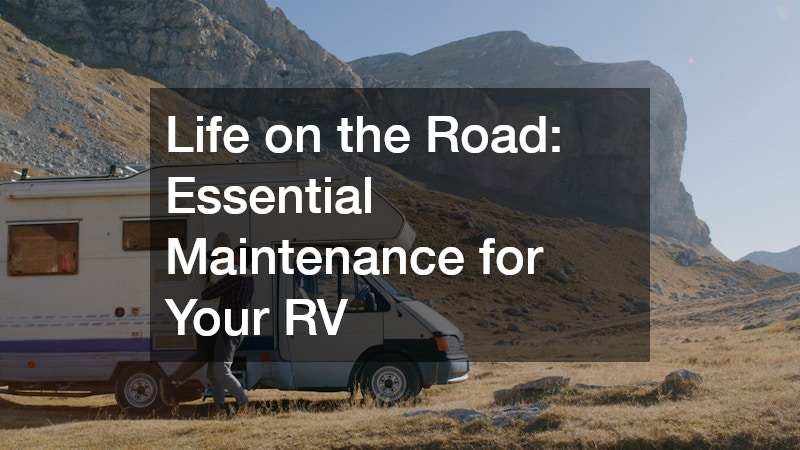
There is an undeniable romance to the open highway, with the promise of waking up to a new view every week and the freedom to chase perfect weather in a mobile sanctuary. However, behind every breathtaking sunset photo lies a reality that rarely makes the edit: mechanical maintenance. A home on wheels is a complex convergence of a motor vehicle and a residential house, both subjected to a perpetual, low-magnitude earthquake every time you drive down the road.
Pre-Trip Inspections: The Checklist That Saves Your Journey
The most effective tool in your maintenance arsenal is the pre-trip inspection. Catching a minor issue while safely parked at a campsite is an easy fix; discovering it when a component fails on a steep mountain pass is a dangerous emergency. Developing a disciplined ritual before every launch ensures that small anomalies are addressed before they escalate into major problems.
Fluid management is the first line of defense for any vehicle, especially those carrying heavy loads. Before starting your engine, check the oil, coolant, brake fluid, and power steering reservoirs. Pay close attention to fluid color and clarity, not just the volume. Dark, gritty oil or cloudy coolant indicates that a trip to an auto repair shop is overdue for a professional flush. Furthermore, crawled spaces underneath the vehicle should be inspected for fresh puddles, which could signal a failing gasket or a compromised hose.
Tire health requires meticulous oversight due to the extreme weights associated with nomadic rigs. Changes in elevation and ambient temperature can cause dramatic fluctuations in tire pressure.
-
Invest in a high-quality tire pressure gauge and check all tires, including the spare, when they are cold. Under-inflated tires generate excessive heat, which is the leading cause of catastrophic highway blowouts.
-
Inspect sidewalls closely for any signs of cracking, dry rot, or unusual bulging. This is particularly vital for trailers that may sit stationary in the harsh sun for weeks at a time.
-
Monitor tread depth and wear patterns. Uneven wear across the tire surface often points to alignment issues or overloaded axles, which demand swift intervention before the tire structure fails completely.
The final element of a successful launch is the physical walk-around. Walk the perimeter of your rig slowly, checking that all storage bays are locked, utility connections are disconnected, and windows are securely latched. Check the operation of all exterior running lights, turn signals, and brake lamps. For those towing a travel trailer or fifth-wheel, double-check the hitch mechanism, safety chains, and breakaway cable. Regular oversight of these connections keeps your mobile home securely tracking behind you and reduces the risk of needing a specialized rv repair mid-route.
The Lifeline Under the Hood: Engine and Drivetrain Care
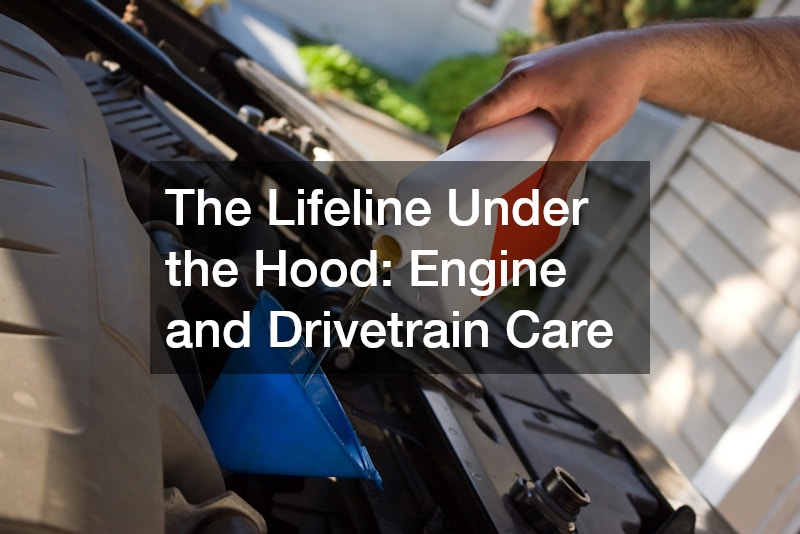
The engine and drivetrain are the heart of your nomadic lifestyle. Whether you are driving a converted camper van, a massive motorhome, or towing a heavy trailer with a heavy-duty truck, your drivetrain works significantly harder than that of an average commuter vehicle. You are constantly operating near the maximum gross vehicle weight rating, often tackling steep grades, unpaved backcountry roads, and intense weather conditions.
Because of this constant stress, standard manufacturer maintenance schedules designed for light, everyday driving are rarely sufficient. High-mileage nomads should adopt a severe-duty service schedule. This means shortening the intervals between oil changes, air filter replacements, and differential fluid services. Clean air and clean oil are paramount when traveling through the dusty desert landscapes of the Southwest or climbing the thin air of the Rocky Mountains. If your rig relies on a heavy-duty platform, specialized diesel service intervals must be strictly followed, including regular drainage of the fuel-water separator and timely replacement of fuel filters to protect sensitive injectors.
Learning to recognize the early warning signs of mechanical distress can prevent catastrophic failure on the highway. Modern vehicles provide warnings through dashboards, but your physical senses are often the quickest diagnostic tools available.
-
Listen for unusual sounds: Squealing belts can indicate a failing water pump or alternator bearing, while deep clicks or groans from the front end during turns often point to worn wheel bearings or CV joints.
-
Monitor your dashboard gauges: Pay attention to operating temperatures, oil pressure, and transmission heat, establishing a baseline of what is normal for your vehicle during flat highway driving versus steep climbs.
-
Watch for shifting issues: If your vehicle hesitates when changing gears, revs excessively before shifting, or shudders under heavy acceleration, your transmission is crying for help. Catching these early signs allows you to seek targeted transmission repairs before the internal components suffer irreversible damage.
When the Gears Give Out: Handling Major Mechanical Failures
Even with immaculate maintenance habits, mechanical components have a finite lifespan. Eventually, every long-term nomad faces a significant component failure. Experiencing a major breakdown far from your hometown can be incredibly intimidating, but managing the crisis logically will save both your sanity and your travel budget.
When facing a catastrophic failure, your first challenge is sourcing a trustworthy mechanic in an unfamiliar area. Relying blindly on the nearest shop can be risky, as specialized rigs require specialized knowledge. Turn to online nomad communities, regional forums, and commercial trucking networks for recommendations. Truck drivers and full-time travelers possess firsthand knowledge of which shops offer honest pricing and high-quality work. When you call a prospective shop, clearly explain the dimensions and weight of your vehicle to ensure their shop bays, lifts, and technicians can actually accommodate your specific setup.
For complex failures involving the drivetrain, you may find yourself facing a choice between a patch repair and a complete overhaul. If a major diagnostic reveals that internal components have suffered severe wear or overheating, a comprehensive transmission replacement service may be the only viable long-term solution to guarantee your safety across future state lines.
During major repairs, the logistics of your living situation become a primary concern. If your vehicle is also your home, a multi-day repair means you are displaced. When negotiating with the shop manager, politely inquire if they allow owners to sleep in their vehicles overnight on the shop lot if the vehicle remains mobile between work days. Many facilities are accommodating to full-timers, provided you respect their business hours and safety boundaries. If the rig must remain dismantled on a lift, you must be prepared to pivot quickly to local motels, short-term rentals, or a tent-camping setup to weather the downtime.
Roadside Emergencies: The Logistics of Getting Off the Highway
A sudden breakdown at highway speeds is one of the most high-stress situations a traveler can encounter. Knowing exactly how to handle the first sixty minutes of a roadside crisis can mean the difference between a minor setback and a serious safety hazard.
The moment you realize your vehicle is losing power or suffering a failure, your immediate priority is to get to the right-hand shoulder safely. Signal early, move over deliberately, and try to park on as flat and straight a section of road as possible. Avoid stopping just over the crest of a hill or immediately after a blind curve, where oncoming traffic won’t see you until it is too late. Once stopped, turn your wheels away from the roadway, engage the emergency brake, and activate your hazard lights. If you possess emergency triangles or flares, place them behind your vehicle at appropriate intervals to give approaching drivers ample warning.
Once your physical safety is secured, the process of arranging extraction begins. Standard roadside assistance plans designed for commuter cars are frequently inadequate for larger nomadic setups. When calling for assistance, you must provide the dispatcher with precise details regarding your vehicle’s physical footprint.
-
State the exact weight, length, height, and width of your vehicle or total combined towing setup to ensure appropriate dispatching.
-
Specify your exact location using highway mile markers, cross streets, or GPS coordinates taken directly from your navigation device.
-
Request specialized equipment like a heavy-duty flatbed or an under-lift mechanism if you are managing a dual-rear-wheel vehicle or a long-wheelbase camper.
Failing to articulate these details clearly often results in the dispatch of a standard tow truck, which will be entirely incapable of moving a heavy overland vehicle or an extended motorhome. To ensure you are not left stranded for hours on a dangerous highway shoulder, you should maintain an active membership with a dedicated 24-hour emergency towing service that explicitly guarantees coverage for commercial-sized vehicles and recreational trailers. Having this logistical support ready ensures that a midnight breakdown in a remote area results in a structured rescue rather than a logistical nightmare.
Hyper-Local Assistance: Navigating Small-Town Repairs
Many of the most beautiful destinations for travelers are located far from major metropolitan areas. National parks, public lands, and wilderness areas are intentionally remote. Breaking down in these spaces requires a different strategy than breaking down near a major city, as national chain shops and massive service centers are rarely available.
In rural communities, local independent shops are the backbone of the mechanical trade. These establishments are deeply familiar with the unique demands of the local geography, whether that means dealing with the effects of extreme rust from coastal salt air or the strain of high-altitude mountain driving. When working with local towing services in these remote areas, clear communication regarding your ultimate destination is essential. A local driver can often provide valuable recommendations on which regional mechanics are honest, which shops possess the right diagnostic tools, and who can get parts delivered quickly from regional warehouses.
For travelers utilizing trailers, fifth-wheels, or truck campers, a mechanical failure doesn’t always happen while driving on the highway. A trailer axle could bend, a leaf spring could snap, or a braking system could lock up while you are set up in a remote campsite or parked on public land. In these scenarios, moving the disabled vehicle to a physical shop building without causing further structural damage may be impossible.
This is where mobile mechanics become invaluable. Seeking out a local mobile trailer repair professional allows you to have a skilled technician come directly to your location. These mobile operators carry specialized tools, jacks, and common replacement parts directly in their service trucks. They can perform complex repairs—such as replacing wheel bearings, servicing brake assemblies, or swapping out damaged suspension components—right where the vehicle sits. Utilizing mobile support minimizes the logistical strain of a breakdown, keeps you from paying exorbitant towing fees, and allows you to remain at your home throughout the entire repair process.
Financial and Administrative Safeguards
The final pillar of a sustainable road maintenance strategy is financial and administrative preparation. Mechanical emergencies are an inevitable line item in the budget of long-term travel. Attempting to live on the road without a dedicated financial safety net and proper administrative protections is a gamble that frequently ends in financial distress.
A robust emergency fund is non-negotiable for the full-time traveler. Unlike a traditional emergency fund meant to cover a few months of static living expenses, a mobile emergency fund must prioritize immediate, high-cost liquid capital. A major mechanical failure can easily demand thousands of dollars in a single afternoon for parts, labor, towing, and emergency lodging. As a general rule, maintain a minimum reserve that can cover your highest insurance deductible, a long-distance tow, and at least one week of alternative accommodations. Keep these funds in a highly accessible account, and check that your daily debit card limits or credit card limits are high enough to authorize large payments in an emergency without getting flagged by your bank’s fraud department.
Equally important is the structure of your vehicular and liability protection. Standard automotive policies are designed around the assumption that the vehicle is used for commuting and that the owner resides in a permanent home. If you live out of your vehicle full-time, a standard policy may leave you severely unprotected in the event of a total loss or a prolonged mechanical breakdown.
-
Disclose your lifestyle habits accurately to your insurance agency to ensure you are placed on a policy that permits full-time or extended travel use.
-
Verify your comprehensive coverage explicitly includes provisions for emergency roadside assistance, specialized towing for heavy rigs, and trip interruption coverage.
-
Confirm your policy covers personal property inside the vehicle, ensuring your clothing, electronics, solar components, and living gear are protected if the rig is damaged or stolen while at a repair facility.
Taking the time to align your financial reserves and policy protections provides an invaluable layer of security, ensuring that when mechanical challenges arise, you can focus on solving the physical problem without facing financial ruin.
It is easy to view mechanical maintenance as a tedious chore, but experienced travelers understand that rigorous upkeep is the exact mechanism that enables a sustainable nomadic life. By taking control of your inspections, studying the unique needs of your engine, learning how to handle roadside emergencies calmly, and securing the right professional and financial support networks, you protect your lifestyle from unexpected disruptions. Treat the mechanical care of your vehicle with the respect it deserves, and your home on wheels will faithfully carry you down the highway for as many miles as your journey demands.