
Taking control of vehicle maintenance is one of the most practical and satisfying ways to save money, extend the lifespan of your garage lineup, and ensure your family remains safe on the road. Whether you are maintaining a daily commuter car, a neighborhood utility runabout, or a heavy-duty road trip rig, developing a structured approach to preventive upkeep makes all the difference. While many routine tasks—like replacing air filters, swapping out worn wiper blades, inspecting fluid levels, and monitoring tire tread—can easily be handled in a home driveway with basic hand tools, recognizing your personal mechanical limits is equally vital. Every responsible home mechanic knows that knowing when to execute a DIY fix and when to hand the keys over to a certified specialist is the golden rule of auto care.
Building a well-rounded DIY skill set begins with mastering basic diagnostic habits and investing in essential equipment. Simple tools like a quality digital multimeter, an OBD-II code reader, a sturdy floor jack with safety stands, and a reliable torque wrench allow you to tackle a wide array of basic service tasks safely. Furthermore, staying diligent about keeping detailed service logs for every machine on your property ensures you never miss critical mileage milestones. Taking proactive ownership of your machinery prevents minor wear from spiraling into catastrophic mechanical breakdowns, keeping your garage running smoothly year-round.
Ultimately, keeping a diverse driveway operational requires a balance between hands-on wrenching and professional mechanical partnership. Understanding the unique engineering requirements of different vehicle platforms—from small electric systems to complex heavy-duty powertrains—helps you make smart, cost-effective maintenance decisions. By combining diligent at-home inspections with timely expert intervention for high-stakes repairs, you protect your financial investments and ensure every vehicle on your property delivers dependable performance whenever you turn the key.
Sourcing Budget-Friendly Replacement Parts for DIY Projects
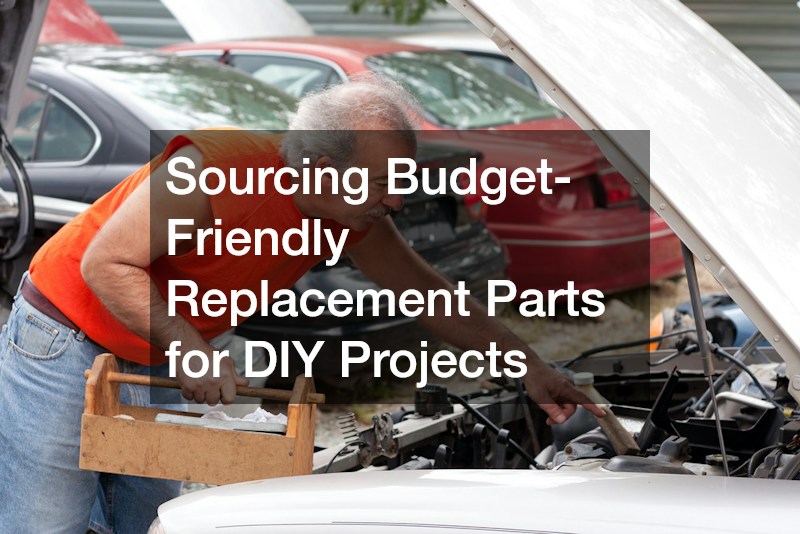
One of the greatest challenges of DIY vehicle restoration and repair is finding affordable, high-quality replacement components for older models or out-of-production vehicles. Buying brand-new original equipment parts directly from dealerships can quickly escalate costs beyond the total value of the project.
Visiting a reputable auto salvage yard offers a fantastic, cost-effective solution for sourcing hard-to-find body panels, side mirrors, interior trim pieces, and durable mechanical assemblies. Scouring reclaimed vehicle inventories allows resourceful home mechanics to score original factory parts at a fraction of retail prices while keeping usable automotive hardware out of landfills.
Inspecting secondhand components carefully before installation ensures safety and reliability in your home projects. Utilizing reclaimed original parts allows you to complete aesthetic and light mechanical repairs on a tight budget, stretching your garage dollars while mastering hands-on restoration skills.
Maintaining Utility Vehicles for Neighborhood and Property Work
Neighborhood electric runabouts and light utility vehicles have become staples for property maintenance, short community errands, and recreational transport around rural estates. While these compact machines feature simpler designs than standard highway passenger cars, they still demand consistent attention to stay reliable and safe.
Routine checks on utility golf carts should focus on tire pressure, brake cable tension, steering linkages, and battery terminal cleanliness. For electric models, checking distilled water levels in lead-acid batteries and cleaning off corrosive white buildup prevents premature battery failure and ensures maximum range for your daily estate chores.
Taking a proactive approach to basic utility vehicle care keeps small mechanical issues from stalling your weekend projects. Simple driveway inspections ensure your neighborhood transport remains safe, responsive, and ready for daily chores.
Managing Complex Electrical and Motor Tune-Ups
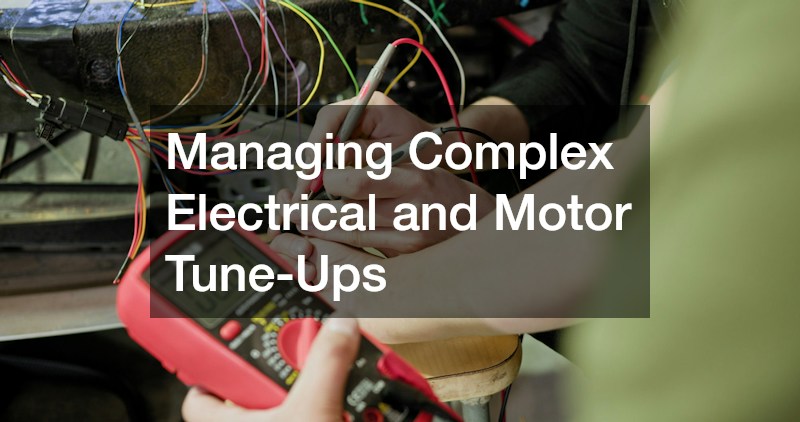
While basic maintenance like tire rotation and chassis lubrication is simple enough for a home garage, electric drive motors, controller recalibrations, and heavy-duty suspension overhauls require specialized equipment and professional diagnostic tools.
Knowing when to book professional golf cart service prevents accidental damage to expensive electronic controllers or high-voltage battery systems. Experienced technicians have the diagnostic meters and specialized tools needed to test motor efficiency, align front ends accurately, and safely service complex lithium battery conversions.
Delegating complex electrical work to trained professionals protects your investment and ensures high-voltage safety. Combining your home maintenance habits with periodic professional servicing guarantees your utility vehicle performs reliably for years to come.
Tackling Essential Upkeep for Recreational Travel Rigs
Preparing a large recreational vehicle for a seasonal road trip requires systematic checks of both the automotive chassis and the living quarters. Neglecting basic house systems or engine fluids before embarking on long highway trips can turn a relaxing family vacation into a stressful roadside emergency.
Executing basic DIY RV repairs at home—such as resealing roof seams, inspecting slide-out weatherstrips, testing house battery banks, and checking tire date codes—helps prevent water intrusion and electrical failures on the road. Taking time to inspect freshwater plumbing lines and gas appliances ensures your home-on-wheels remains comfortable and fully operational wherever you park.
Staying ahead of minor cabin leaks and electrical glitches preserves your vehicle’s resale value and structural integrity. Handling minor cosmetic and living-space repairs yourself leaves your travel budget intact for actual road trip adventures.

Partnering with Specialized Heavy-Equipment Facilities
While minor interior fixes and cosmetic upgrades are perfect weekend projects for the driveway, structural chassis issues, complex slide-out hydraulic failures, and roof overhauls require commercial service bays with specialized hoists and heavy lifting equipment.
Taking your rig to certified RV repair shops guarantees that complex structural, mechanical, and heavy-appliance issues are resolved using commercial-grade machinery and factory-approved techniques. Experienced technicians can safely diagnose high-pressure hydraulic leaks, re-align heavy slide rooms, and perform major roof restorations that exceed the scale of a home garage.
Entrusting major structural work to equipped commercial facilities ensures safety on the highway and long-term weatherproofing. Professional intervention protects your family from hidden structural hazards and keeps your travel rig completely roadworthy.
Understanding the Demands of Commercial Hauling Rigs
Maintaining heavy-duty commercial haulers involves working with ultra-high-pressure air brake systems, massive diesel powertrains, and specialized suspension components built to handle immense payloads. The sheer scale and tight torque tolerances of commercial transport machinery require tools that extend far beyond standard DIY toolboxes.
Complex commercial jobs like semi truck repair demand specialized commercial facilities equipped with heavy-duty pneumatic tools, massive torque multipliers, and commercial diagnostic software. Attempting to service high-pressure air systems or heavy drivetrain components without commercial machinery presents severe safety risks and violates strict commercial transport regulations.
Relying on commercial specialists for heavy transport machinery ensures full compliance with highway safety standards and federal transportation regulations. Professional care protects drivers and keeps heavy commercial vehicles operating safely under extreme road conditions.

Keeping Business Rigs and Fleet Vehicles Road-Ready
Business owners who manage work trucks, delivery vans, or service vehicles know that vehicle downtime directly translates into lost revenue and dissatisfied clients. Establishing a disciplined preventative maintenance schedule is essential for keeping commercial workhorses on the road and out of the shop.
Partnering with a reliable local fleet service repair provider allows business managers to streamline routine oil changes, brake inspections, DOT safety certifications, and tire rotations across all company vehicles. Commercial service partners offer priority scheduling and comprehensive digital tracking, ensuring work vehicles remain fully compliant and operational without disrupting daily business logistics.
Outsourcing fleet maintenance to specialized commercial shops frees up valuable time for business operations while maintaining strict safety standards. Consistent professional care protects company assets, lowers long-term operational overhead, and ensures project deadlines are always met on time.
Diagnosing Complex Heavy-Duty Powertrains
Modern heavy-duty work trucks and diesel pickups rely on high-pressure common rail fuel systems, complex turbochargers, and intricate exhaust aftertreatment systems to deliver heavy towing capacity while meeting strict environmental emissions standards.
Diagnosing intricate engine issues requires specialized diesel engine repair technicians who possess advanced diagnostic scanners, fuel injector test benches, and deep mechanical knowledge of high-pressure compression-ignition systems. Attempting complex fuel system overhauls without proper diagnostic tools can result in ruined fuel injectors or catastrophic engine failure.
Relying on certified technicians for complex powertrain diagnostics ensures optimal fuel efficiency, full emissions compliance, and maximum towing power. Specialized care keeps heavy work trucks running strong under heavy payloads and extreme working conditions.
Servicing Modern Automatic and Manual Drivetrains
The vehicle transmission is one of the most intricate mechanical, hydraulic, and electronic systems in modern automotive engineering. Utilizing sophisticated valve bodies, planetary gearsets, torque converters, dual-clutch assemblies, and precise sensor arrays, the drivetrain works continuously to transfer engine power to the drive wheels seamlessly across varying speeds and loads. Because today’s multi-speed automatic and computer-controlled transmissions operate under extreme internal hydraulic pressures and tight manufacturing tolerances, even minor fluid contamination or electronic glitches can severely compromise shifting performance and overall drivability.
When slipping gears, delayed engagements, unusual shuddering, or harsh shifting occur, seeking professional transmission repair services is essential to prevent total, catastrophic drivetrain failure. Attempting a DIY fix on an internal transmission issue without specialized machinery often leads to misdiagnosis or further mechanical damage. Certified transmission specialists utilize high-grade hydraulic pressure gauges, specialized diagnostic software, and dedicated fluid flush systems to pinpoint internal fluid leaks, burnt clutch packs, sticky solenoids, or failing torque converters before determining whether to repair, rebuild, or replace the entire unit. Leaving complex drivetrain overhauls to experienced specialists ensures proper fluid pressure calibration, accurate electronic adaptations, and strict adherence to factory torque specifications.
Sourcing Expert Local Care for Road Trip Preparation
Before embarking on extended cross-country travel or taking a multi-state family vacation, scheduling a comprehensive professional safety inspection provides unmatched peace of mind for you and your passengers. A heavy motorhome or travel trailer places immense stress on its chassis, tires, and braking systems, meaning subtle mechanical issues that go unnoticed during brief weekend trips can rapidly escalate under the heat and strain of long highway drives. Having an experienced set of eyes examine critical safety systems ensures that hidden mechanical flaws, hairline hose cracks, or fluid leaks are identified and corrected long before you hit the open highway.
Scheduling an appointment for specialized local RV repairs allows experienced technicians to thoroughly test your cooling systems, brake linings, wheel bearings, suspension bushings, and LP gas lines under realistic load conditions. Certified technicians have the heavy-duty lifts, pressure testing equipment, and diagnostic tools required to inspect high-capacity house batteries, generator exhaust seals, and slide-out alignment mechanisms that standard auto shops cannot accommodate. Local specialists understand regional road conditions, mountainous terrain demands, and severe weather factors, allowing them to offer valuable advice and preventative maintenance tailored to your upcoming travel route and specific climate destinations.
Investing in a thorough pre-trip inspection by local experts minimizes the risk of costly remote breakdowns, ruined vacation schedules, and expensive long-distance towing headaches. Attempting to locate a specialized heavy-vehicle repair shop in an unfamiliar rural area during a weekend trip can result in massive delays and inflated repair costs. Professional preparation guarantees your travel rig is fully equipped, mechanically sound, and completely safe, letting you focus entirely on enjoying the journey and creating lasting family memories on the road.
Essential Safety Guidelines for Home Mechanics
While working on your own vehicles in the driveway can be incredibly satisfying and cost-effective, personal safety must always remain your top priority. Before attempting any maintenance task—regardless of how simple it may seem—ensure you are wearing appropriate personal protective equipment, including impact-resistant safety glasses, heavy-duty mechanics gloves, and steel-toe footwear. When working around electrical systems or performing battery maintenance, always disconnect the negative battery terminal first to prevent accidental electrical short circuits or severe sparking. Never rely solely on a hydraulic floor jack to support a lifted vehicle; always secure the frame on heavy-duty, properly rated jack stands and chock the wheels remaining on the ground before working underneath.
Equally important is taking the time to educate yourself on proper fluid handling and environmental disposal practices. Used engine oil, coolant, transmission fluid, and old brake fluid contain toxic chemicals and heavy metals that must never be poured down household drains or discarded in regular trash bins. Store spent fluids in clean, sealed containers and take them to your local auto parts store or municipal recycling center for safe disposal. Furthermore, if a repair job requires specialized spring compressors, high-torque impact wrenches, or specialized diagnostic equipment that you do not own, resist the urge to improvise dangerous workarounds. Investing in the correct tools or knowing when to delegate the job to a professional facility ensures your driveway remains a safe, productive space for years to come.