
Unexpected car trouble can disrupt your schedule, create safety concerns, and lead to expenses you did not plan for. Whether your vehicle develops a mechanical problem, sustains damage in a parking lot, or breaks down during a trip, knowing how to respond can help you make better decisions and avoid unnecessary risks.
It also helps to understand which professionals handle different vehicle problems. From cosmetic damage and tire issues to mechanical failures and roadside emergencies, choosing the appropriate service can save time and help prevent further damage. The following tips explain how to approach common automotive problems, evaluate repair decisions, and prepare for unexpected situations.
Assess Cosmetic Damage Before Choosing a Repair Method

Dents and scratches can occur during parking, minor collisions, or encounters with road debris. Although cosmetic damage may seem minor, inspect the affected area before deciding how to repair it. Damage near sensors, structural components, or panel edges may require more attention than a shallow dent.
Start by photographing the damage from several angles. Avoid pressing on damaged panels or touching sharp edges, and check whether paint has cracked or metal has become exposed. These details can help a repair professional determine the appropriate approach.
Before approving repairs, consider the following:
-
Damage severity: Determine whether the dent affects only the surface or involves underlying components.
-
Paint condition: Ask whether the existing finish can remain intact during repair.
-
Repair options: Compare paintless dent repair with conventional bodywork.
-
Cost estimates: Request an itemized estimate before authorizing work.
A dent removal course can help aspiring technicians develop the skills needed to evaluate and repair different types of damage. For vehicle owners, selecting an experienced professional and understanding the proposed method can help prevent unnecessary repairs and additional paint damage.
Respond Quickly to Damaged Vehicle Glass
Cracked or chipped glass can interfere with visibility and may compromise vehicle safety. Even a small chip can spread when exposed to temperature changes, road vibration, or additional impacts. Assess the damage promptly rather than waiting until it becomes more extensive.
If a crack obstructs your view, avoid driving the vehicle until a professional determines whether it is safe. Do not press on the damaged glass or apply materials that could interfere with a proper repair.
When arranging a car glass replacement service, consider these factors:
-
Damage location: Cracks in the driver’s field of vision may require replacement.
-
Damage severity: Size, depth, and spreading patterns influence available options.
-
Vehicle features: Some windshields require camera or sensor recalibration.
-
Installation quality: Confirm that the replacement meets the vehicle’s specifications.
Ask whether the glass can be repaired or must be replaced. A professional can explain the available options based on the damage and applicable safety requirements.
Before scheduling work, check your insurance coverage and ask about costs, installation timing, and any precautions required afterward. Properly installed glass supports visibility and the intended operation of vehicle safety systems.
Recognize Transmission Warning Signs Early
Transmission problems can affect acceleration, gear changes, and overall vehicle control. Warning signs may include slipping gears, delayed engagement, unusual noises, fluid leaks, or dashboard alerts. Ignoring these symptoms can allow a manageable problem to become more expensive.
If the vehicle suddenly loses power, struggles to change gears, or behaves unpredictably, pull over safely and arrange assistance rather than continuing to drive. Record when the symptoms occur and whether they appear during startup, acceleration, or gear changes.
Before approving transmission repair services, take these steps:
-
Document symptoms: Describe noises, delays, and changes in performance.
-
Review diagnostics: Ask what testing identified the underlying problem.
-
Compare estimates: Separate diagnostic fees, parts, labor, and additional charges.
-
Clarify repairs: Determine whether the proposed work addresses the cause or only a symptom.
Ask the technician to explain whether the problem involves a specific component or requires more extensive work. Request a written estimate and ask whether additional damage could be discovered during disassembly.
Comparing repair options helps you make an informed decision without automatically choosing the cheapest or most expensive proposal. Keep the final invoice and repair records for future maintenance.
Investigate Fluid Leaks Without Taking Unnecessary Risks
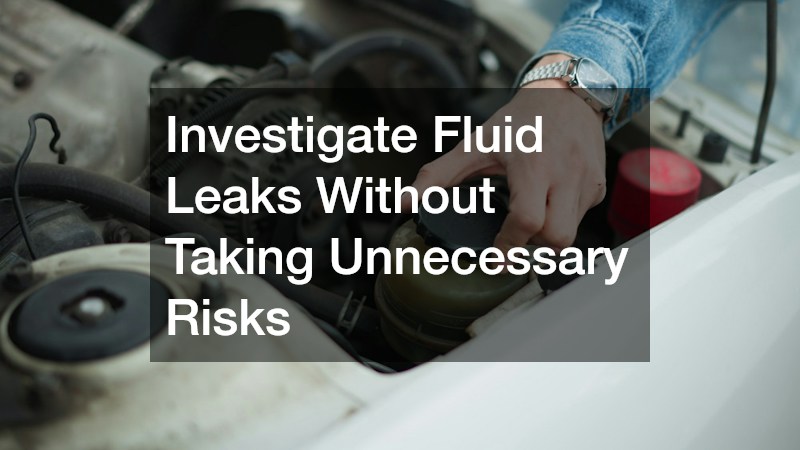
Fluid leaks can indicate problems involving engine oil, coolant, transmission fluid, brake fluid, or other vehicle systems. The location and appearance of a leak may provide useful clues, but appearance alone cannot reliably identify the fluid or its source.
If you notice fluid beneath your vehicle, park somewhere safe and observe the area without crawling underneath the car. Never work beneath a vehicle supported only by a jack, and avoid touching unknown fluids or hot components.
Use these precautions when investigating a possible leak:
-
Check dashboard warnings: Pay attention to oil pressure, temperature, and brake alerts.
-
Observe the leak: Note its location and approximate size from a safe position.
-
Watch for overheating: Stop driving if the engine overheats.
-
Request an inspection: Explain when the leak appeared and whether performance changed.
The phrase lift station services refers to wastewater infrastructure, not automotive lifting equipment. If you encounter this term while researching vehicle-related businesses, verify that the provider offers the service you actually need. A wastewater lift station contractor would not ordinarily diagnose an automotive fluid leak.
For vehicle problems, contact an appropriate mechanic or roadside assistance provider. Avoid driving if fluid loss could affect braking, lubrication, cooling, or safe vehicle operation.
Decide Whether an Aging Vehicle Is Worth Repairing
Repeated breakdowns can make it difficult to decide whether to keep repairing a vehicle or replace it. Consider the vehicle’s overall condition, maintenance history, repair costs, and likely future needs rather than focusing on one estimate.
Begin by asking a mechanic to identify immediate safety concerns and distinguish necessary repairs from optional improvements. Then compare the estimated costs with your budget and the condition of other major components.
If replacement or disposal seems appropriate, consider these steps:
-
Review repair history: Identify recurring problems and major component failures.
-
Compare expenses: Consider the current estimate alongside likely future maintenance.
-
Check ownership documents: Resolve outstanding loans and confirm transfer requirements.
-
Compare disposal options: Contact scrap yards to ask about vehicle acceptance, collection, and payment.
-
Prepare the vehicle: Remove personal belongings and follow applicable registration and plate requirements.
Before transferring ownership, verify the buyer’s identity, required paperwork, and local reporting obligations. Ask whether the vehicle will be collected and whether additional fees apply.
Some vehicles may still have usable components or recyclable materials even when they are no longer economical to repair. Comparing offers and understanding the transfer process can help you make a more informed decision.
Prepare for Breakdowns Involving Larger Vehicles
A breakdown involving a tractor-trailer or another heavy commercial vehicle requires different arrangements from an ordinary passenger car. Vehicle size, cargo, road conditions, and access restrictions can affect how recovery must be performed.
If a breakdown occurs, prioritize safety. Move to a safe location when possible, activate appropriate warning equipment, and follow site-specific procedures. Avoid standing near moving traffic or attempting repairs in hazardous conditions.
When requesting assistance, provide the following information:
-
Exact location: Share the highway, direction of travel, and nearest exit or landmark.
-
Vehicle details: Explain the vehicle type, approximate size, and configuration.
-
Cargo information: Disclose relevant load details and any special handling concerns.
-
Visible damage: Describe the mechanical failure or collision damage.
-
Access conditions: Mention narrow roads, limited clearance, or difficult terrain.
semi towing services may be necessary when a commercial vehicle cannot be moved safely using ordinary roadside assistance equipment. Confirm that the provider has suitable recovery equipment and experience handling the vehicle involved.
Fleet operators can prepare by keeping roadside assistance contacts available and establishing procedures for reporting breakdowns. Drivers should also know who can authorize recovery and how cargo or delivery arrangements will be managed.
Providing accurate information helps the recovery provider prepare for the situation and reduces avoidable delays.
Protect Wheels From Damage and Corrosion
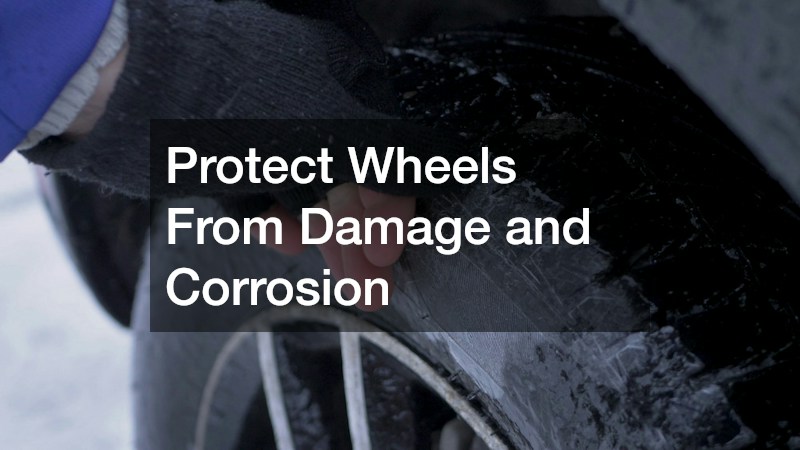
Wheels can sustain damage from potholes, curbs, road debris, and exposure to moisture or corrosive materials. While cosmetic defects may affect appearance, cracks, bends, and other structural problems can compromise safety.
After a significant impact, inspect the wheel from a safe position and pay attention to vibrations, pressure loss, or changes in handling. Have suspected structural damage assessed before continuing normal driving.
For wheels that remain structurally sound, refinishing may improve appearance and help protect the surface. A wheel powder coating service can apply a durable finish, provided the wheel is suitable for the process.
Before arranging refinishing, consider these questions:
-
Is the wheel damaged? Confirm whether it needs structural assessment or repair first.
-
What preparation is required? Ask how the old finish and surface contaminants will be handled.
-
Is the coating appropriate? Discuss compatibility with the wheel material.
-
What is included? Clarify preparation, coating, curing, and installation costs.
Cosmetic refinishing should never substitute for correcting structural damage. Ask the provider to explain any limitations and confirm that the finished wheel meets the vehicle’s requirements.
Address Tire Problems Before Returning to the Road
Tire problems can develop gradually or occur suddenly after encountering a pothole or sharp object. Low pressure, uneven tread wear, bulges, and visible punctures deserve attention because they can affect handling and braking.
A local tire shop can inspect the tire and determine whether repair or replacement is appropriate. Before visiting, record the symptoms and check your vehicle manual for the recommended tire specifications.
Ask about these considerations:
-
Tread condition: Check whether wear is uneven or the tread is approaching replacement limits.
-
Puncture location: Determine whether the damage is repairable under applicable safety standards.
-
Replacement suitability: Match tire size and specifications to the vehicle.
-
Balancing and pressure: Confirm whether these services are necessary.
-
Spare tire condition: Check its pressure and accessibility before an emergency occurs.
Avoid attempting roadside tire changes in traffic or other unsafe locations. Contact roadside assistance if you cannot safely replace the tire yourself.
Understand the Consequences of Impaired Driving
Automotive emergencies sometimes involve legal consequences, particularly when a collision or traffic stop raises concerns about impaired driving. Alcohol, certain medications, and other substances can affect reaction time, judgment, and coordination.
Never drive if you may be impaired. Arrange a sober driver, taxi, rideshare, or another safe transportation option instead. If an incident occurs, remain calm, follow lawful instructions, and prioritize everyone’s safety.
If you face an allegation involving operating a vehicle while impaired, an OVI lawyer may help explain the legal process and evaluate your options. Laws, procedures, and potential consequences vary by jurisdiction, so advice should reflect the specific circumstances.
Consider these practical steps:
-
Preserve paperwork: Keep citations, court notices, and other relevant documents.
-
Track deadlines: Record required court dates and response deadlines.
-
Document the incident: Preserve relevant records and contact information.
-
Seek legal guidance: Ask about the applicable process and available options.
Avoid ignoring official notices or assuming that an allegation will resolve itself. If you are unsure what a document requires, obtain qualified legal advice promptly.
Troubleshoot Starting Problems Before Replacing Parts

A vehicle that will not start may have a weak battery, loose electrical connections, a charging system problem, or a faulty starter. Identifying the likely cause before replacing components can prevent unnecessary spending.
Pay attention to what happens when you attempt to start the vehicle. Clicking sounds, slow cranking, or a complete lack of response can provide useful diagnostic clues, although these symptoms do not establish the cause by themselves.
Before requesting repairs, record the following:
-
Dashboard lights: Note whether warning lights illuminate normally.
-
Starting sounds: Describe clicking, grinding, or slow engine cranking.
-
Recent symptoms: Mention intermittent starting or previous electrical problems.
-
Battery history: Provide information about the battery’s age and recent replacement.
-
Diagnostic results: Ask which tests support the recommended repair.
Starter motors turn the engine so it can begin running, but a starting failure does not automatically mean the starter is defective.
Unexpected vehicle problems are easier to manage when you prioritize safety, document symptoms, and understand your repair options. Whether your vehicle has cosmetic damage, mechanical trouble, a tire problem, or a starting failure, an appropriate professional assessment can help you avoid unnecessary work and make informed decisions.
Preparation also matters. Regular inspections, timely maintenance, and attention to warning signs can help identify developing problems before they cause major disruptions. By approaching unexpected repairs methodically, you can make practical decisions, manage costs, and keep your vehicle in safe operating condition.